

Turnham Green rubbish clearance tips for flat owners
Posted on 02/07/2026
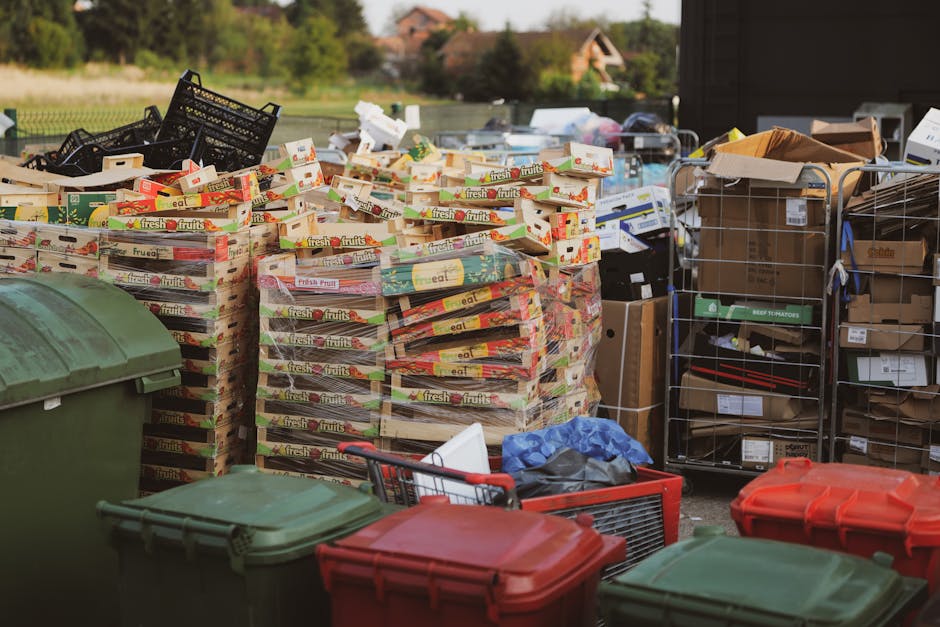
If you live in a flat near Turnham Green, rubbish clearance can feel oddly complicated for what should be a simple job. There are stairs, shared entrances, parking restrictions, neighbours passing in the hallway, and that one bulky item that seems to grow heavier the longer you look at it. The good news is that Turnham Green rubbish clearance tips for flat owners are mostly about planning well, keeping things tidy, and choosing the right clearance method for your building. Done properly, the process is calmer, safer, and usually quicker than people expect.
This guide walks through the practical side of clearing flats in the area: how to prepare, what to watch out for, which mistakes cost time, and when a professional service makes life easier. We will keep it grounded in real-world experience, with no fluff. Just sensible advice you can actually use.
Expert summary: Flat clearance works best when you sort items early, protect communal areas, check access before collection day, and choose a disposal method that fits the building. A little preparation saves a lot of hassle.
Why Turnham Green rubbish clearance tips for flat owners matters
Flat owners around Turnham Green often face a different set of rubbish problems from house owners. In a flat, waste is rarely just about lifting a few bags to the kerb. You may need to work around shared hallways, limited lift access, narrow stairwells, controlled parking, and building rules that make timing more important than you first think.
That matters for a few reasons. First, poor planning can block common areas and annoy neighbours. Second, heavy or awkward items can damage walls, lifts, or flooring if they are moved in a rush. And third, if you are getting rid of mixed household items, you need to separate what can be reused, recycled, or disposed of responsibly. To be fair, most problems are avoidable. They tend to happen when people wait until the last minute and then try to clear a whole flat in one go.
There is also the local factor. Turnham Green sits in a busy part of west London, so access can be tight and schedules can be influenced by traffic, parking pressure, and shared building routines. A smart clearance plan respects those realities rather than fighting them. That alone makes the whole thing smoother.
How Turnham Green rubbish clearance tips for flat owners works
In practical terms, flat rubbish clearance is a sequence of small decisions. You decide what stays, what goes, what needs special handling, and how the waste will leave the building without causing disruption. That is the whole game, really.
For a typical flat, the process often looks like this:
- Identify the items you want removed.
- Separate general rubbish from reusable items, recyclables, and restricted waste.
- Check access routes, stairs, lift availability, and loading space.
- Choose the right removal method for the amount and type of waste.
- Schedule the clearance at a time that suits the building and your neighbours.
- Make sure the route out of the flat is clear and protected.
If you are working through a larger clear-out, it can help to think in categories: furniture, bags of mixed rubbish, broken appliances, books and paper, textiles, and anything that may need special handling. That little bit of sorting at the start saves a messy pile-up in the hallway later.
Many flat owners also find it useful to read broader local guidance alongside a clearance plan, such as the advice in this household rubbish removal guide for Chiswick. It gives a useful picture of how everyday removal choices can be handled more efficiently.
Key benefits and practical advantages
The main benefit of getting rubbish clearance right in a flat is simple: less stress. But there are a few more practical wins worth mentioning.
- Less disruption to neighbours: Clear, quiet, well-timed removal is far better than repeated trips carrying random items through communal space.
- Lower risk of damage: Staging items carefully helps avoid scuffed walls, chipped paint, and scratched floors.
- Better recycling outcomes: Sorting as you go makes it easier to keep reusable and recyclable items separate.
- Faster turnaround: When access is planned properly, a clearance can be completed much faster than a chaotic DIY approach.
- Cleaner living space: A clutter-free flat simply feels calmer. You notice it the moment the old sofa or broken chair is gone.
There is also a less obvious advantage: good preparation gives you more control over cost. If the clearance is organised, the team or collection method used can be more efficient, and that usually helps keep the job lean. If you want to compare service options at a broader level, the services overview is a useful place to understand the wider picture.
Key takeaway: The best flat clearances are not the fastest ones at the start. They are the ones that are tidy, predictable, and calm from the first bag to the final item.
Who this is for and when it makes sense
Turnham Green rubbish clearance tips for flat owners are relevant to a lot more people than you might expect. You may need them if you are moving out, replacing furniture, dealing with post-renovation mess, clearing a spare room, or simply tackling years of built-up clutter. It is also relevant if you own a rental flat and need to get a property ready for new occupants.
This topic makes sense especially when:
- you do not have easy garden or driveway access
- the building has limited bin storage
- you are clearing bulky furniture such as wardrobes, beds, or sofas
- you need to keep the common parts tidy and safe
- you want to avoid multiple trips to a disposal site
- you are working to a move-out deadline
In our experience, the point where most people decide they need help is usually somewhere between "I can manage this" and "why is the pile suddenly in the corridor?" That's the tipping point. If your flat has awkward access or a large amount of mixed waste, it may be more practical to use a dedicated clearance service rather than trying to piece it together yourself.
Step-by-step guidance
Here is a practical way to handle a flat clearance without turning it into a weekend-long headache.
1. Start room by room
Do not begin by dragging everything into one pile. That sounds efficient, but it often becomes chaos. Work room by room so you can see what you actually have. A bedroom can hide far more waste than people expect, especially under beds and in wardrobes.
2. Separate items into clear groups
Use simple groups: keep, donate, recycle, dispose, and unsure. The "unsure" pile is useful because it stops you making rushed decisions. You can come back to it later with a clear head.
3. Measure awkward items
For bulky objects, check the doorway widths, stair turns, lift size, and any tight corners. A sofa may look harmless in the living room and then suddenly become impossible halfway down the stairwell. Happens all the time.
4. Protect shared spaces
If you are moving items through a communal hallway or lift, use covers or padding where needed and keep the route clear. It is a small courtesy, but it prevents friction with neighbours and reduces the chance of damage claims.
5. Time the clearance carefully
Early mornings, lunchtime, or quieter periods may work better than peak times. If the building has house rules, follow them. If there is a concierge or building manager, it helps to give a heads-up. That simple conversation can save a surprising amount of hassle.
6. Decide what needs special treatment
Some items need more than ordinary disposal. Electronics, mattresses, paint, damaged appliances, and certain construction materials may need different handling. If you are unsure, do not guess. Put them aside and check the disposal route before moving anything.
7. Finish with a final sweep
Once items are out, check cupboards, loft hatches, balcony corners, and under sinks. You would be amazed how often one last look finds a forgotten lamp, charger, or bag of cables. Honestly, cables breed in flats.
Expert tips for better results
A few small habits make a big difference. They are not flashy, but they work.
- Use strong bags and boxes: Weak bags tear at the worst moment, usually in the stairwell.
- Label piles clearly: Especially if someone else is helping you. A quick label avoids confusion.
- Keep lift bookings in mind: If the building uses shared lift access, check whether you need to reserve time.
- Avoid mixed piles of recyclables and general waste: This slows everything down and can reduce recycling opportunities.
- Take photos before the job starts: Not because you expect drama, but because it helps you track what has been removed.
- Plan for awkward weather: A wet London morning can make the route out slippery and messy. A bit of extra care helps.
If the job involves heavier household items, you may want to look at a more specific removal option such as furniture disposal in Chiswick, especially when the main challenge is one or two bulky pieces rather than an entire property clear-out.
One more thing: keep your approach realistic. You do not need to make the flat look like a showroom before the clearance team arrives. You just need enough order for the process to run safely and efficiently. That is all.

Common mistakes to avoid
Most clearance headaches come from the same handful of mistakes. If you avoid these, you are already ahead.
- Leaving everything until the day before: This is the quickest route to stress.
- Forgetting about access: Stairs, lifts, parking, and hallways all matter.
- Overfilling bags: Overpacked waste is harder to carry and more likely to split.
- Mixing unsuitable items together: Not every item should be treated the same way.
- Blocking communal areas: It is inconvenient for everyone and can cause complaints.
- Ignoring building rules: Shared buildings often have practical rules for a reason.
A common one is assuming that "it will be fine" without checking where bulky items actually need to go. Then the lift is too small, the stairwell turns too tight, and everything gets stuck in a kind of slow-motion shuffle. Not ideal. A quick check at the beginning saves that whole scene.
If you are clearing after a move, it can also help to read related local property and living guidance, such as this local advice piece about living in Chiswick. It provides useful context for how day-to-day life in the area tends to work.
Tools, resources and recommendations
You do not need specialist equipment for every flat clearance, but a few basic tools help enormously.
| Tool or resource | Why it helps | Best used for |
|---|---|---|
| Heavy-duty refuse bags | Reduce splitting and spillage | General household rubbish |
| Strong tape and labels | Keep boxes organised | Sorting and staging items |
| Protective gloves | Safer handling of awkward or dusty waste | Mixed clear-outs |
| Trolley or sack barrow | Eases transport of heavier loads | Bulky items and multiple bags |
| Blankets or floor covers | Helps protect communal areas and door frames | Shared corridors and lift routes |
| Clear item list | Prevents forgotten bits and duplicate work | Room-by-room planning |
For flat owners who are dealing with large volumes or awkward access, a proper clearance service can be more efficient than trying to do the work piecemeal. If you are comparing broader disposal options, the rubbish collection service in Chiswick is worth understanding because it suits some jobs better than a full clearance, especially when the waste is already bagged and ready to go.
On top of that, if you care about how waste is handled after collection, the site's recycling and sustainability information is useful background reading. It helps set expectations around sorting and responsible disposal.
Law, compliance, standards, or best practice
Any rubbish clearance in a flat should be done with normal UK waste duty of care in mind. In plain English, that means waste should be passed to a legitimate collector or handled in a way that does not create problems for other people, the building, or the environment. You do not need to turn this into a legal project, but you do need to be careful.
Best practice usually includes:
- using a responsible waste carrier
- keeping clear records or confirmations where appropriate
- avoiding fly-tipping risks by checking where waste is going
- separating items that may require special handling
- respecting communal access and building rules
If there are safety concerns, such as heavy lifting, sharp edges, broken glass, or difficult stair access, it is sensible to slow down and plan properly. The same applies if the job involves builders' debris or renovation leftovers. Those materials can be heavier, dustier, and less forgiving than standard household items. In that case, a specialised route such as builders waste disposal in Chiswick may be the better fit.
It is also worth checking the practical bits that sit around the service itself, like insurance and safety and the terms and conditions. Nobody reads those for fun, obviously, but they do matter if your building has special access arrangements or fragile common areas.
Options, methods, or comparison table
Flat owners usually have three broad options: handle the clearance themselves, use a collection service for bagged waste, or book a fuller clearance for bulky and mixed items. The right choice depends on volume, access, and how much lifting you want to do yourself.
| Method | Best for | Pros | Trade-offs |
|---|---|---|---|
| DIY clearance | Small amounts of light waste | Full control, flexible timing | Time-consuming, physically demanding, harder for bulky items |
| Rubbish collection | Bagged waste and straightforward loads | Simple, quick, less effort | Less ideal for mixed bulky waste or awkward access |
| Full waste clearance | Mixed items, furniture, clutter, larger jobs | Efficient, practical, less stress | Usually the most involved option to arrange |
For many Turnham Green flats, the deciding factor is access. If your building is easy to reach and you only have a few bags, collection may be enough. If you have a sofa, mattress, shelves, and general clutter all at once, a full clearance is usually the saner route. No shame in that. Quite the opposite, really.
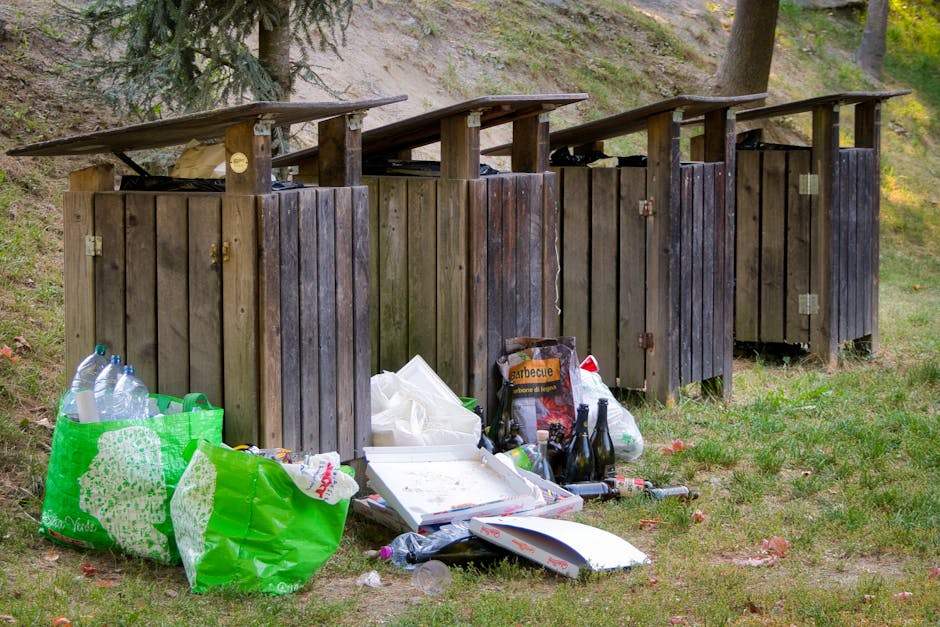
Case study or real-world example
Picture a typical one-bedroom flat near Turnham Green on a damp Tuesday morning. The owner is moving out at the weekend and has a mix of things to clear: a broken coffee table, three bin bags of clutter, an old desk chair, a small bookcase, and a stack of flattened cardboard from recent deliveries. Nothing dramatic, but enough to clog the hallway if it is not handled carefully.
The owner starts by sorting everything into keep, donate, and dispose. The box of cables gets checked one last time. A few items are set aside for charity pickup later. The flat owner then checks the lift size and realises the bookcase will not fit unless it is taken apart. That tiny discovery saves a lot of wrestling later on.
Next, the route through the building is cleared, floor protection is laid down near the doorway, and the items are staged close to the exit without blocking neighbours. The collection is done in one visit rather than three, because the waste has already been organised into a sensible load. The end result is simple: less time, less mess, and no frantic carrying down the stairs while someone waits behind you in the corridor.
That is the real lesson here. Good clearance is usually invisible to everyone else. It just looks calm.
Practical checklist
Use this quick checklist before your flat clearance day.
- Sort items into keep, donate, recycle, and dispose
- Check lift access, stair width, and door frames
- Confirm any building rules or time restrictions
- Protect shared floors or corners if needed
- Group heavy items so they can be moved safely
- Keep bags sealed and easy to carry
- Put special items aside for separate handling
- Clear the route from the flat to the exit
- Do a final sweep of cupboards, balconies, and storage spaces
- Keep confirmation details or notes in case you need them
That checklist is boring in the best possible way. It stops little problems becoming big ones.
Conclusion
Turnham Green rubbish clearance tips for flat owners come down to one simple idea: plan the route, sort the waste, and respect the shared space. When you do that, even a messy clear-out becomes manageable. And in a flat, that matters more than people think. The building, the neighbours, the stairs, the lift, the parking - all of it needs a bit of coordination.
If you want a smoother result, focus on the unglamorous basics. Measure awkward items. Group waste properly. Keep common areas tidy. Choose the right removal method for the job rather than the cheapest-looking one on paper. The calm route is usually the smart route.
Get a free quote today and see how much you can save.
And if the job feels a bit too much, that is perfectly normal. A good clearance plan should make your life easier, not turn a weekday into a wrestling match with a wardrobe.
 Tipper Van - Waste Clearance and Builders Waste Removal Prices in Chiswick, W4
 Luton Van - Waste Clearance and Builders Waste Removal Prices in Chiswick, W4

