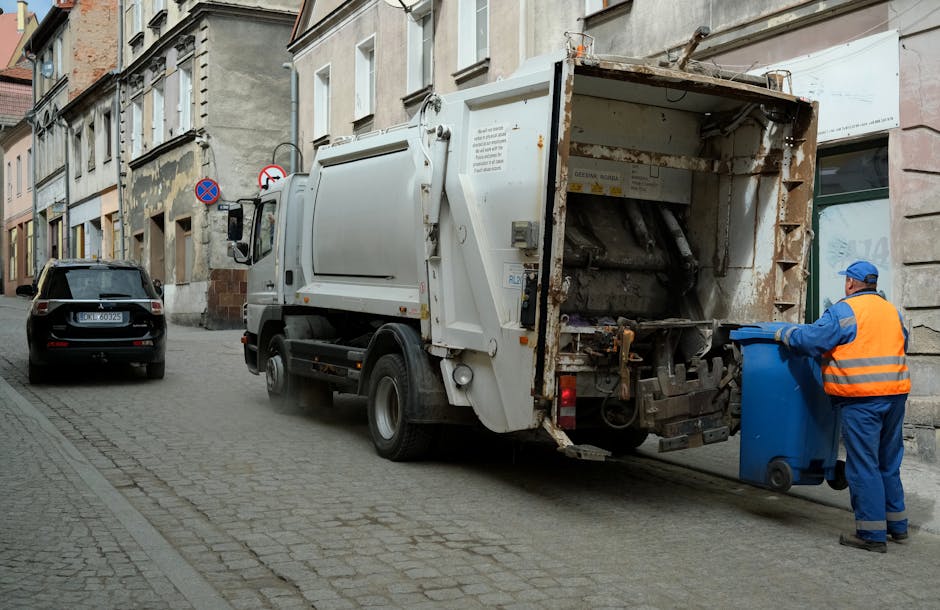
Chiswick High Road guide to household rubbish removal
Posted on 20/06/2026
If you live, work, or are simply sorting out a property near Chiswick High Road, household rubbish removal can turn into one of those jobs that looks simple until the bags start piling up. Old furniture in the hallway, a loft full of forgotten boxes, a broken wardrobe, leftover DIY waste, and a couple of black sacks that somehow multiply overnight - sound familiar?
This Chiswick High Road guide to household rubbish removal is designed to make the whole process feel a lot less messy, both literally and mentally. We'll walk through how rubbish removal works, what to expect, when it makes sense to book help, how to avoid common mistakes, and how to make decisions that are practical, safe, and good for the environment. If you are comparing services, thinking about recycling, or just trying to get your home back under control, this should give you a clear way forward.
For readers who want broader context on local living and property decisions in the area, it can also help to look at the wider Chiswick picture, including local advice on living in Chiswick and the nearby property market in this Chiswick property investment guide. Different topic, yes - but it all connects when you are managing a home well.
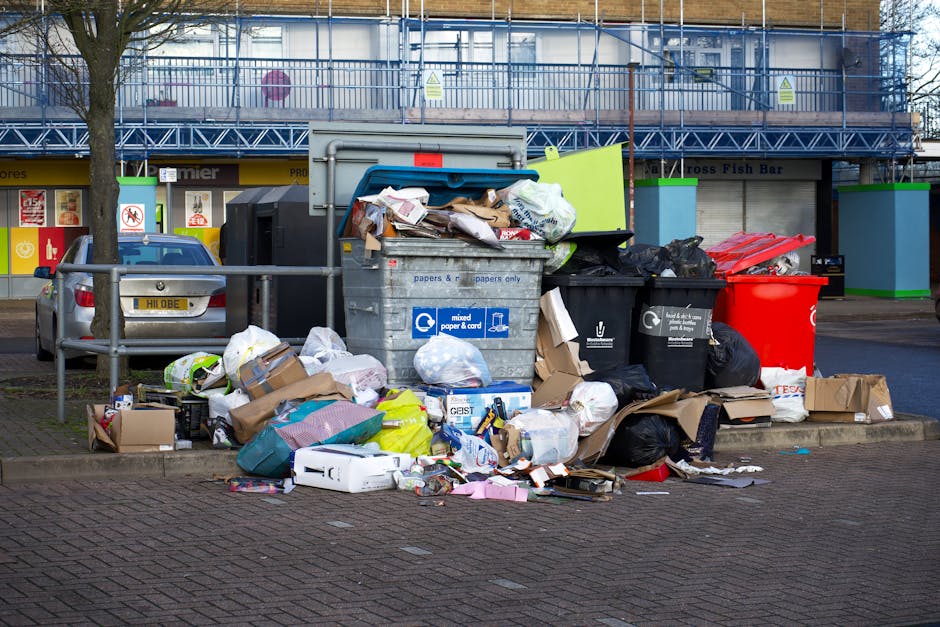
Why Chiswick High Road guide to household rubbish removal Matters
Chiswick High Road is busy, lived-in, and constantly in motion. Flats above shops, period homes with narrow staircases, maisonettes with limited storage, and family houses where "we'll deal with it next weekend" quietly becomes "why is the spare room full again?" all create a very real need for sensible household rubbish removal.
The matter is not just about tidiness. Household waste left too long can become harder to sort, more expensive to remove, and in some cases a nuisance to neighbours or building managers. Bags left in communal spaces can attract pests. Bulky items left by the kerb can create obstruction. And if you are moving, renovating, or clearing a property after a change in circumstances, the pressure is even higher. Nobody wants to be dragging a mattress down two flights of stairs at 7am. Let's face it, that is nobody's idea of a good start to the day.
What makes Chiswick High Road a little different is the pace and layout of the area. You often need a removal plan that works around limited access, parking realities, upstairs flats, loading restrictions, and the simple fact that homes here can hold a surprising amount of stuff. A good rubbish removal approach saves time, reduces stress, and helps you stay organised instead of merely moving clutter from one room to another.
Expert summary: the best household rubbish removal plans are not the fastest ones; they are the ones that combine sorting, safe handling, recycling where possible, and realistic timing. That's the whole trick, really.
How Chiswick High Road guide to household rubbish removal Works
Household rubbish removal usually follows a straightforward pattern, although the details depend on what you are clearing and how much of it there is. A typical job starts with identifying the waste type, estimating volume, and deciding whether the items can be reused, recycled, or need special handling.
In practical terms, the process often looks like this:
- Assess the waste: note what needs removing, including bulky furniture, bagged rubbish, broken appliances, textiles, cardboard, garden debris, loft clutter, and mixed household waste.
- Separate the obvious categories: keep reusable items, recyclables, electricals, and general rubbish apart where possible. It makes everything simpler.
- Check access: stairways, lifts, front doors, parking, and building rules all matter. A small flat on a side street is very different from a house with rear access.
- Choose the right disposal method: that might mean a scheduled collection, a same-day clearance, a full house clearance, or a specialist disposal route for furniture, garden waste, or builders' debris.
- Load and remove safely: heavy or awkward items should be handled with care, especially on tight staircases or in properties with delicate flooring.
- Sort for recycling or disposal: responsible clearance should try to divert suitable materials away from landfill where possible.
For some households, a general rubbish collection is enough. For others, the job is really a fuller clearance with furniture and room contents involved. If you are not sure which fits your situation, it is often helpful to review the scope of the services overview and compare it with the kind of load you actually have in front of you.
A small but important note: not all rubbish is equal. A few bin bags from a clear-out are one thing. Paint tins, fridges, sofas, mattresses, and renovation leftovers can need different treatment. That difference matters for cost, timing, and compliance.
Key Benefits and Practical Advantages
There is a reason people often delay rubbish removal and then feel oddly relieved once it is done. The benefits are more practical than glamorous, but they add up quickly.
- Space returns to normal: rooms feel usable again, and small homes in particular benefit from that instant breathing room.
- Less stress: once the clutter is gone, decision-making gets easier. You are no longer stepping around half-finished piles every day.
- Better safety: fewer trip hazards, fewer unstable stacks, and less risk from sharp or heavy items.
- Time saved: you avoid multiple trips to disposal points, waiting around for the right vehicle, or trying to fit oversized items into a small car. We've all seen someone try. It never looks graceful.
- Cleaner recycling outcomes: good sorting improves the chance of materials being handled properly rather than all being treated the same way.
- More suitable for busy streets: in a place like Chiswick High Road, an organised removal is often simply easier than piecemeal DIY disposal.
There is also a subtler benefit: rubbish removal helps you make better decisions about the property itself. Once the excess is gone, you can actually see the room, assess storage, and decide what needs repairing, donating, replacing, or keeping. It sounds obvious. In the middle of a cluttered home, it is anything but.
Who This Is For and When It Makes Sense
This guide is useful for a broad set of people, not just homeowners who have had a one-off clear-out. On Chiswick High Road and the surrounding streets, household rubbish removal tends to come up in a few common situations.
- People moving home: moving often reveals years of stored items that are not worth taking to the next place.
- Landlords and letting agents: after a tenancy ends, there may be leftover furniture, general waste, or a loft and cupboard surprise or two.
- Families doing a declutter: a school holiday or weekend is often the moment when "we should sort this" becomes a real task.
- Households with bulky items: wardrobes, sofas, bed frames, and broken appliances are awkward to move without help.
- Renovators: light DIY waste, packaging, and old fixtures can build up faster than expected.
- People managing an inherited property: emotional decisions and practical logistics often overlap here, so a calm, structured approach matters.
If your home has limited storage, awkward access, or a long list of things to sort through, a planned removal is usually a better option than trying to chip away at it bit by bit. Sometimes the job is smaller than it feels. Sometimes it is bigger. Either way, it helps to be honest about the scale early on.
For property owners and buyers thinking ahead, local home stock and layout can influence waste issues more than people expect. The detail in property listings in Chiswick gives a useful sense of the kinds of homes that may need more careful clearance planning, especially when stairs, storage, and shared entrances are involved.
Step-by-Step Guidance
Here is a practical, no-nonsense way to approach household rubbish removal without turning the whole weekend into a small disaster.
- Walk through the property room by room. Make a simple list. Do not rely on memory alone; memory is famously optimistic when clutter is involved.
- Sort into clear categories. Keep general rubbish, recycling, electricals, furniture, textiles, and anything potentially reusable separate.
- Decide what should stay. Be a bit ruthless. If you have not used it, worn it, or even seen it in years, it probably does not need a new home in your cupboard.
- Check for awkward items. Mattresses, large wardrobes, broken wardrobes, and similar bulky pieces may require more than a basic bin-bag collection.
- Measure access points if needed. Doorways, stair turns, narrow hallways, and lift sizes can all affect how a clearance is done.
- Plan the timing. Morning removals are often calmer on busy roads. Later in the day can be more stressful if traffic and parking are tight.
- Confirm what is excluded. Some items need specialist handling. It is better to know that before the team arrives than after everyone is standing in the hallway scratching their heads.
- Prepare the space. Move small loose items together, clear paths, and keep anything you are retaining safely out of the way.
- Ask about sorting and recycling. A good provider should be able to explain what happens to different waste streams in plain English.
- Review the result. Once everything is gone, check corners, storage spaces, and communal areas so nothing important has been left behind.
That final check may sound tedious. It saves headaches later, though, especially if you are working through a larger household clear-out and do not want to discover an old box of documents two days after the van has gone.
Expert Tips for Better Results
The difference between a smooth rubbish removal and a frustrating one usually comes down to preparation and judgment. A few small choices make a big difference.
- Book by volume, not hope: people often underestimate how much space their rubbish takes up. A half-empty corner can still become a full load once stacked.
- Use the "touch it once" rule: when sorting, handle each item once and make a decision. Moving the same pile around three times wastes energy.
- Keep valuables and paperwork separate: that old drawer of letters or receipts is easy to throw out by mistake, especially during a fast clear-out.
- Prioritise the heavy, awkward items first: once the big objects are gone, the job usually feels much more manageable.
- Be realistic about DIY lifting: if an item feels awkward, it probably is. Back injuries are not worth it.
- Ask how recycling is handled: responsible disposal should be part of the conversation, not an afterthought.
If sustainability matters to you, it may be worth reading more about recycling and sustainability practices. Even a normal household clear-out can often be approached more thoughtfully than people expect, especially when mixed materials are separated early.
One more thing: do not wait until the last possible minute if the clear-out is tied to a move, tenancy end, or renovation deadline. That is how a simple job becomes a mildly chaotic one. No one needs that sort of Tuesday.
Common Mistakes to Avoid
Most rubbish removal mistakes are avoidable. They usually come from rushing, guessing, or assuming all waste can be treated the same way.
- Leaving sorting until the end: mixing everything together often makes the job slower and less efficient.
- Underestimating bulk: one sofa, one wardrobe, and a handful of bags can still take more space than expected.
- Ignoring access issues: tight stairs, parking restrictions, or lift limits can derail an otherwise simple job.
- Forgetting about special items: electricals, mattresses, and other awkward waste types should be planned for early.
- Choosing only on price: the cheapest option is not always the best value if it cuts corners on service, recycling, or safety.
- Not reading terms carefully: check what is included so there are no surprises on the day.
There is also a subtle but common mistake: keeping things "just in case" until the home starts feeling crowded again. That is a lifestyle issue, really, and not just a rubbish removal issue. Still, the two are linked more than people admit.
Tools, Resources and Recommendations
You do not need a warehouse of equipment to prepare for household rubbish removal. A few simple tools make the process much smoother.
- Sturdy bin bags: use proper bags that will not split halfway down the stairs.
- Labels or marker pens: handy for marking what is being kept, recycled, donated, or removed.
- Gloves: useful for handling dusty loft items, broken pieces, or rough cardboard.
- Tape and boxes: great for keeping paperwork, cables, and smaller loose items under control.
- Measuring tape: worth having if you are dealing with larger furniture or awkward access points.
- Basic cleaning kit: once the waste is gone, a quick sweep or vacuum can make the difference feel even bigger.
For some household jobs, the right next step is not a full clearance but a specific service. A room full of unwanted furniture points you toward furniture disposal in Chiswick. A dusty top floor filled with storage boxes and old belongings may call for loft clearance support. And if the whole property needs clearing, house clearance in Chiswick may be the more fitting route.
That distinction matters. The more precisely you match the solution to the problem, the less time and money you tend to waste.
Law, Compliance, Standards, or Best Practice
Household rubbish removal is not just a practical task; it also sits within wider expectations around responsible waste handling. In the UK, waste should be managed carefully, and the person arranging disposal should be confident that it is going to a legitimate and responsible route. You do not need to become an expert overnight, but you should know the basics.
A few sensible principles apply:
- Waste should be handled safely: lifting, loading, and transport all need care, especially with heavy or sharp items.
- Items should be sorted responsibly: where possible, reuse and recycling should be considered before disposal.
- Documentation and transparency matter: a trustworthy provider should be open about what happens to the waste.
- Special items may need special treatment: electricals, certain bulky items, and mixed waste often cannot just be treated like ordinary bin rubbish.
If you are comparing providers, it is sensible to check insurance and safety information, along with terms and conditions. Those pages may not be the exciting part of the process, admittedly, but they are where you get a clearer sense of how seriously a company takes risk, handling, and customer expectations.
For people who value openness more broadly, it can also be reassuring to review who the company is and how they describe their standards. Trust is built in those details.
Options, Methods, or Comparison Table
There is no single "best" way to remove household rubbish. The right option depends on volume, item type, urgency, and how much time you have. Here is a simple comparison to make that clearer.
| Method | Best for | Strengths | Limitations |
|---|---|---|---|
| Self-clear with your own vehicle | Small, well-sorted loads | Flexible, can be low cost if you already have transport | Time-consuming, awkward for bulky items, multiple trips may be needed |
| Scheduled household rubbish collection | General mixed rubbish and regular clear-outs | Simple to arrange, good for straightforward jobs | May not suit large furniture or specialist items |
| Furniture-specific disposal | Sofas, wardrobes, tables, beds | Better for bulky items, easier handling | Not ideal for mixed waste from multiple rooms |
| House or loft clearance | Larger domestic clear-outs | Efficient for multiple rooms, storage areas, or whole properties | Usually more involved than a simple collection |
| Specialist waste removal | Builders' debris or unusual items | Appropriate handling for specific materials | Requires more planning and clearer item identification |
If your household job overlaps with renovation, it may be better to look at builders waste disposal in Chiswick rather than forcing everything into a generic rubbish job. Same if the pile is mostly garden cuttings; that is where garden waste removal becomes the more sensible fit.
Case Study or Real-World Example
Imagine a top-floor flat near Chiswick High Road after a long-overdue sort-out. There are two broken dining chairs, an old bedside cabinet, several bags of mixed clutter, cardboard from a recent delivery spree, and a box of cables nobody can quite identify. The hallway is narrow, the stairs are awkward, and the resident has only an hour before work. Classic.
In a case like this, the best approach is rarely to do everything at once without a plan. A far better route is to gather items into clear groups, separate the obvious recyclables from the general rubbish, and identify the bulky furniture first. If one item needs extra handling because of size or weight, that should be known early rather than discovered mid-lift.
The resident might decide that a rubbish collection service in Chiswick is enough if the load is mostly bags and smaller items. But if the chairs, cabinet, and storage clutter all need to go together, a broader clearance is usually more efficient. The result is simpler: the flat feels bigger, the hallway clears, and the stress drops almost immediately. You can almost hear the place exhale. Bit dramatic, maybe, but not far off.
That is the value of choosing the right removal method. It is not just about throwing things away. It is about restoring order without making the process more complicated than it needs to be.
Practical Checklist
Use this checklist before you arrange household rubbish removal on or near Chiswick High Road.
- List every item or pile that needs removing.
- Separate general rubbish from furniture, electricals, recyclables, and anything reusable.
- Check stairs, parking, lift access, and any building rules.
- Decide whether the job is a collection, furniture disposal, loft clearance, or house clearance.
- Set aside items you want to keep so they do not get mixed in.
- Confirm any awkward or specialist items in advance.
- Review pricing, terms, safety, and payment details before booking.
- Make sure paths and entry points are clear on the day.
- Plan a quick final sweep once the waste is gone.
- Keep any important paperwork, keys, or personal valuables away from the clearance area.
And if the process feels bigger than you thought, that is normal. Most household clear-outs do. The key is getting from "where do I even start?" to a simple, workable plan.
Get a free quote today and see how much you can save.
Conclusion
Household rubbish removal on and around Chiswick High Road is easiest when you treat it as a practical project rather than a last-minute chore. Sort early, choose the right method, check access, and think about recycling and safety before the bags start moving. That approach saves time, reduces stress, and usually gives you a cleaner, calmer result.
If you are dealing with bulky items, a loft full of leftovers, or a whole-home clear-out, the right service can make an awkward job feel surprisingly manageable. And once the clutter is gone, the room changes. The light feels different. The space feels usable again. It's a small thing, perhaps, but a proper one.
For anyone planning the next step, keep the process simple, stay honest about the amount of waste involved, and choose a solution that fits the property rather than forcing the property to fit the waste. That little bit of judgement goes a long way.